Looking to make my first compost tea. Can I use 'Soil conditioner'?

Tha
I learned this from Tim Wilson (aka Microbeman) so it’s not my own wisdom; but forests are typically fungally dominated and they usually won’t have the right kind, much less species, of mycorrhizal fungi you want for cannabis - glomus intraradicies. Cannabis likes bacterially dominated soil. Specifically the soil found in grasslands. So, a good compost or EWC or a compost stimulator is a better starter.

@hecno is a wealth of knowledge, so listen to his advice. I highly suggest you go read Tim Wilson’s website on compost tea. He is one of the great authorities on compost teas, besides Dr Ingham. Here’s a link: http://microbeorganics.com/

Earthworms...I’m not feeding mine table scraps much. If you want a racehorse, you feed it like a racehorse. Mine get malted barley that I grind up in a coffee grinder. Very cheap at your local home brew store. ANY malted (sprouted) grain will do. I give them horse manure that’s aged a bit (easy to get free from most any stable) and some good quality compost. They also get neem and Karanja meal regularly and will be getting comfrey this year, if what I planted does well. All cheaply obtained but will produce high quality castings - better than any store bought or even table scrap fed. For the urban home that wants to raise some worms, I’d get this: https://urbanwormcompany.com/

If you’re interested in this stuff, listen to the KIS Organics podcast series but for your interest in worms and growing I’d start with the Coot interview! Tad, the interviewer, is the son of some of the original compost brewing explorers and had a huge part in getting us where we are today:


I’m sure hecno will have some better suggestions but here are some ways to find some premium inputs locally....

1. As around and look online if there’s an organic gardening supply or perhaps a local organic gardening club. There may be one around you that could point you to some high quality compost.

2. Ask around about local worm farms. If there is any freshwater fishing in your area, there will probably be a local source for live worms for fisherman. Trace the source from a local vendor and ask the farmer if you can buy some castings from his beds. There are lots of worm farmers over here that don’t realize they can dig more value out of their beds than the actual worms.

3. Look around for a local organic dairy or a high-end horse stable or farm. They may have some compost you can sweet talk them out of or allow you to have/buy some manure to start composting yourself or feed to your future worms.

Listen to hecno but hopefully this will help some and maybe he’ll agree with some of it.


Thats an interesting comment about the grasslands. I would just mention that forests will have more microbial vareity than most gardens and that it will be the microbes rather than the fungus that will thrive and survive the compost tea making process. Certainly, rather than paying for compost activators this method of taking a bag from the forest floor is well established and free and noncomercial.

So much to learn!
Often we make the best we can with what wehave to hand rather than what we would like! Its all good, keep it growing!
 
I learned this from Tim Wilson (aka Microbeman) so it’s not my own wisdom; but forests are typically fungally dominated and they usually won’t have the right kind, much less species, of mycorrhizal fungi you want for cannabis - glomus intraradicies. Cannabis likes bacterially dominated soil. Specifically the soil found in grasslands. So, a good compost or EWC or a compost stimulator is a better starter.

@hecno is a wealth of knowledge, so listen to his advice. I highly suggest you go read Tim Wilson’s website on compost tea. He is one of the great authorities on compost teas, besides Dr Ingham. Here’s a link: http://microbeorganics.com/

Earthworms...I’m not feeding mine table scraps much. If you want a racehorse, you feed it like a racehorse. Mine get malted barley that I grind up in a coffee grinder. Very cheap at your local home brew store. ANY malted (sprouted) grain will do. I give them horse manure that’s aged a bit (easy to get free from most any stable) and some good quality compost. They also get neem and Karanja meal regularly and will be getting comfrey this year, if what I planted does well. All cheaply obtained but will produce high quality castings - better than any store bought or even table scrap fed. For the urban home that wants to raise some worms, I’d get this: https://urbanwormcompany.com/

If you’re interested in this stuff, listen to the KIS Organics podcast series but for your interest in worms and growing I’d start with the Coot interview! Tad, the interviewer, is the son of some of the original compost brewing explorers and had a huge part in getting us where we are today:


I’m sure hecno will have some better suggestions but here are some ways to find some premium inputs locally....

1. As around and look online if there’s an organic gardening supply or perhaps a local organic gardening club. There may be one around you that could point you to some high quality compost.

2. Ask around about local worm farms. If there is any freshwater fishing in your area, there will probably be a local source for live worms for fisherman. Trace the source from a local vendor and ask the farmer if you can buy some castings from his beds. There are lots of worm farmers over here that don’t realize they can dig more value out of their beds than the actual worms.

3. Look around for a local organic dairy or a high-end horse stable or farm. They may have some compost you can sweet talk them out of or allow you to have/buy some manure to start composting yourself or feed to your future worms.

Listen to hecno but hopefully this will help some and maybe he’ll agree with some of it.


Ah man thanks for putting so much effort into your reply!

I did read about bacteria.vs fungi in compost.
I'm certainly all ears to any advice I get! Look forward to hearing from him!

As far as the wormery feed goes thats good news. Would love to have my own source of worm castings. Would my plant scarps be able to go in there assuming I also feed them some malted grains?

Horse manure shouldn't be an issue from me. There are plenty of fields and stables around. When it comes to giving my earth worms some good quality compost can I use the wood/Forrest method (as obviously obtaining decent compost was my initial issue)

I will have a listen of them when I get some time!

Thanks for all your help and information!

Cheers
Rizzle
 
Ok , First up look at this picture .
DSC_0003.JPG

what do you notice , bloody big trees , this is part of my yard and there is way more bigger ones here . The soil is utter crap rocky , fast draining . in other words shit . So how do they get so big , -- leaf litter that,s how . I am in what is called the dry tropics , dry season wet season , So how does it work , simple , leafs fall on the ground as will as sticks and old trees , the the wet season comes along and humidity and rain fall goes up , the soil worms come out of hiding and feed on the leafs , which due to microbiology action breaks the leafs down which the worm eats and feed the trees . Forest leaf litter has a very high amount of nutrients . Which the earth worms not [ compost worms ] make available to the trees in tandem with microbes . I prefer working with earth worms because they aerate the soil , compost worms sit on the top layer . Now how do we get you started , bloody easy , Go to your local garden center and get some bags of organic soil , if you want to make it under cover get a cheap 100 liter bin and drill a heap of 5 mm holes in the bottom , the dump the soil in , next get a bloody big pile of mixed dry leaf litter and soak it in water with molasses 10 ml a liter [ microbe food ] after it is soaked dump the lot in the tube with leaf litter on top . add your earth worms , a easy way to get them is to make up soapy water and pour it on the ground where you know they are as they do not like it .:nono: and will come to the surface . this is the start of a soil worm farm , you will not get castings as such they will be in the soil , so after time ,3 months you can make tea out of the soil , you can also use the soil to grow in . or mix with other soils ,.
horse manure is very good to add , ---- but ---- ask when they last wormed them as it will kill your worms too . I collect big piles of it and leave it out in the sun for no less than 2 months , Now this is a basic , then we move on , but one day at a time . :thumbsup:
DSC_0002.JPG
 
you can source from your area if its mostly clean and little pollutants.But if you have any Cow,Mushroom,Steer,Worm castings or any combo of these items will work fine. And especially if you have a quality Wettable powder(Inoculate powder like Great white for example) is really all you need.if you are going to harvest from the land,make sure you gather some IMOs too if you are going through the trouble since it'll provide major strength to your grow.Happy harvesting buddy.
 
Ok , First up look at this picture . View attachment 1018648
what do you notice , bloody big trees , this is part of my yard and there is way more bigger ones here . The soil is utter crap rocky , fast draining . in other words shit . So how do they get so big , -- leaf litter that,s how . I am in what is called the dry tropics , dry season wet season , So how does it work , simple , leafs fall on the ground as will as sticks and old trees , the the wet season comes along and humidity and rain fall goes up , the soil worms come out of hiding and feed on the leafs , which due to microbiology action breaks the leafs down which the worm eats and feed the trees . Forest leaf litter has a very high amount of nutrients . Which the earth worms not [ compost worms ] make available to the trees in tandem with microbes . I prefer working with earth worms because they aerate the soil , compost worms sit on the top layer . Now how do we get you started , bloody easy , Go to your local garden center and get some bags of organic soil , if you want to make it under cover get a cheap 100 liter bin and drill a heap of 5 mm holes in the bottom , the dump the soil in , next get a bloody big pile of mixed dry leaf litter and soak it in water with molasses 10 ml a liter [ microbe food ] after it is soaked dump the lot in the tube with leaf litter on top . add your earth worms , a easy way to get them is to make up soapy water and pour it on the ground where you know they are as they do not like it .:nono: and will come to the surface . this is the start of a soil worm farm , you will not get castings as such they will be in the soil , so after time ,3 months you can make tea out of the soil , you can also use the soil to grow in . or mix with other soils ,.
horse manure is very good to add , ---- but ---- ask when they last wormed them as it will kill your worms too . I collect big piles of it and leave it out in the sun for no less than 2 months , Now this is a basic , then we move on , but one day at a time . :thumbsup:
View attachment 1018666
you can source from your area if its mostly clean and little pollutants.But if you have any Cow,Mushroom,Steer,Worm castings or any combo of these items will work fine. And especially if you have a quality Wettable powder(Inoculate powder like Great white for example) is really all you need.if you are going to harvest from the land,make sure you gather some IMOs too if you are going through the trouble since it'll provide major strength to your grow.Happy harvesting buddy.


You boys are legends! I'll be making a composter and begining of my heap tomorrow. I'm glad a compost bin rather than a wormery will work. I like this idea more.

I'll collect a load of leaf litter from my local woods in various places to try and get a good mixture

I'll update you this weekend with the little project.

Can't thank you enough!
 
Ok , First up look at this picture . View attachment 1018648
what do you notice , bloody big trees , this is part of my yard and there is way more bigger ones here . The soil is utter crap rocky , fast draining . in other words shit . So how do they get so big , -- leaf litter that,s how . I am in what is called the dry tropics , dry season wet season , So how does it work , simple , leafs fall on the ground as will as sticks and old trees , the the wet season comes along and humidity and rain fall goes up , the soil worms come out of hiding and feed on the leafs , which due to microbiology action breaks the leafs down which the worm eats and feed the trees . Forest leaf litter has a very high amount of nutrients . Which the earth worms not [ compost worms ] make available to the trees in tandem with microbes . I prefer working with earth worms because they aerate the soil , compost worms sit on the top layer . Now how do we get you started , bloody easy , Go to your local garden center and get some bags of organic soil , if you want to make it under cover get a cheap 100 liter bin and drill a heap of 5 mm holes in the bottom , the dump the soil in , next get a bloody big pile of mixed dry leaf litter and soak it in water with molasses 10 ml a liter [ microbe food ] after it is soaked dump the lot in the tube with leaf litter on top . add your earth worms , a easy way to get them is to make up soapy water and pour it on the ground where you know they are as they do not like it .:nono: and will come to the surface . this is the start of a soil worm farm , you will not get castings as such they will be in the soil , so after time ,3 months you can make tea out of the soil , you can also use the soil to grow in . or mix with other soils ,.

horse manure is very good to add , ---- but ---- ask when they last wormed them as it will kill your worms too . I collect big piles of it and leave it out in the sun for no less than 2 months , Now this is a basic , then we move on , but one day at a time . :thumbsup:
View attachment 1018666

Good point on the worming medicine. However, after talking to Tim Wilson and some other folks about this I found out that any manure that came through a freshly wormed animal (horse, cow, sheep, etc) will contain some medicines that MAY be detrimental to certain worm populations. However, it’s unlikeky to kill a worm bed. Keep in mind that the worms that the worming medicine is directed at is a parasitic worm and not an earthworm; and these medicines are targeted at specific species and will not be effective on all parasitic worms. This is why we treat animals for the specific parasite they have - one medicine may kill one kind of parasitic worm but not have any effect on another parasitic worm.

Also, it’s been found that even the manure from recently wormed animals will not usually effect earthworm and compost worms if it’s allowed to sit out and age in the elements for a couple of weeks or more. The point being, if it’s been composted or aged, there’s not really any risk to worm populations.

I gather dried horse manure out in corrals where it’s been sun dried and weathered. How old is it? No idea. Lol. At least a few weeks and maybe 2-3 months. I have heard this is better for worms anyway because it’s not as ‘hot’ as anything fresher.
I think it’s important to ask, so you don’t get some fresh manure that’s loaded with a wormer; but it’s going to be nearly impossible to find manure from animals that are never wormed. I don’t know a farmer or rancher that never worms their animals. Including me.

Just thought I’d throw it out there.
 
Looking forward to seeing you progress . But remember it can be very addictive organic growing :biggrin: put good for you . :thumbsup:
Good point on the worming medicine. However, after talking to Tim Wilson and some other folks about this I found out that any manure that came through a freshly wormed animal (horse, cow, sheep, etc) will contain some medicines that MAY be detrimental to certain worm populations. However, it’s unlikeky to kill a worm bed. Keep in mind that the worms that the worming medicine is directed at is a parasitic worm and not an earthworm; and these medicines are targeted at specific species and will not be effective on all parasitic worms. This is why we treat animals for the specific parasite they have - one medicine may kill one kind of parasitic worm but not have any effect on another parasitic worm.

Also, it’s been found that even the manure from recently wormed animals will not usually effect earthworm and compost worms if it’s allowed to sit out and age in the elements for a couple of weeks or more. The point being, if it’s been composted or aged, there’s not really any risk to worm populations.

I gather dried horse manure out in corrals where it’s been sun dried and weathered. How old is it? No idea. Lol. At least a few weeks and maybe 2-3 months. I have heard this is better for worms anyway because it’s not as ‘hot’ as anything fresher.
I think it’s important to ask, so you don’t get some fresh manure that’s loaded with a wormer; but it’s going to be nearly impossible to find manure from animals that are never wormed. I don’t know a farmer or rancher that never worms their animals. Including me.

Just thought I’d throw it out there.

Project is coming along nicely!
Got a few questions for you boys though:

When it comes to worms; do I need red wrigglers or night crawlers? Are red wrigglers for worm casting and night crawlers for the compost bin you had recommended @henco?

For the soil I initially put in my bin, can I use light mix soil I already have it does it want to be some sort of compost?

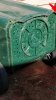
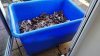
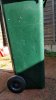
Here's a few pictures so far:
 

Attachments

  • IMG_20190223_130537.jpg
    IMG_20190223_130537.jpg
    91 KB · Views: 40
  • IMG_20190223_135203.jpg
    IMG_20190223_135203.jpg
    111.3 KB · Views: 36
  • IMG_20190223_130524.jpg
    IMG_20190223_130524.jpg
    69.3 KB · Views: 39
Last edited:
DTOM420, great posts! Totally agree. If you have access to aged horse manure then you can for sure get some red wigglers out of it. You could get a really good compost pile going (also look into mulched leaves), and have a much more biologically active source for compost teas than anything you would buy in a bag. Red wigglers (eisenia fetida) are excellent composting worms that will stay in the top part of the compost pile, they don't tend to go very deep. The nightcrawlers are the exact opposite. I wouldn't get too caught up though in all that when you're getting started.
 
I use red wigglers for my main bin. I’ll let hecno comment on the night crawlers as I don’t use the same compost method. I think you have it right, though. Lots of people use a mixture of wigglers and night crawlers so that worms are working the top and bottom of the bin. Wigglers make harvesting castings a bit easier, imo, because they can be teased to a new food source, leaving the castings virtually worm free.

I’m not an expert at worm farming but I’m a little concerned that the green bin you showed - it’s going to be hard to harvest castings, imo. I use totes because they’re wider than tall and that allows me to bait the worms to one side so I can dig out castings on the opposite side. That’s one thing I like about that urban worm farm system I linked to earlier. It has a terrific way of collecting castings out the bottom. That is, for red wigglers, anyway. Do some looking around on YouTube for “flow through worm bin” and you’ll see a similar system that can be built with 2 totes or two buckets. You can buy them or make them.
 
Back
Top