Status
Not open for further replies.
I don't know if it qualifies technically as nectar, but I'm still curious and we need to know more about the mystery sap blobs some people have found on their indoor cannabis plants. It's like a totally random brown sugary nectal looking blob. We need to have one of these lab tested haha, and I just have to figure out what conditions caused one to produce :) Anyone know what I'm talking about? I swear I'm not making it up lol.
I've had those sap drops, Anthro. On a purple kush run a few months ago. It was as you described, sugary-almost maple sap-like. It was the first run that I used molasses (I spelled it right!!! lol), so I chalked it up as what the plants did with the high sugar additive. I reckon there's a connection to the "high brix" methods that JM, DubV, and others use.
 
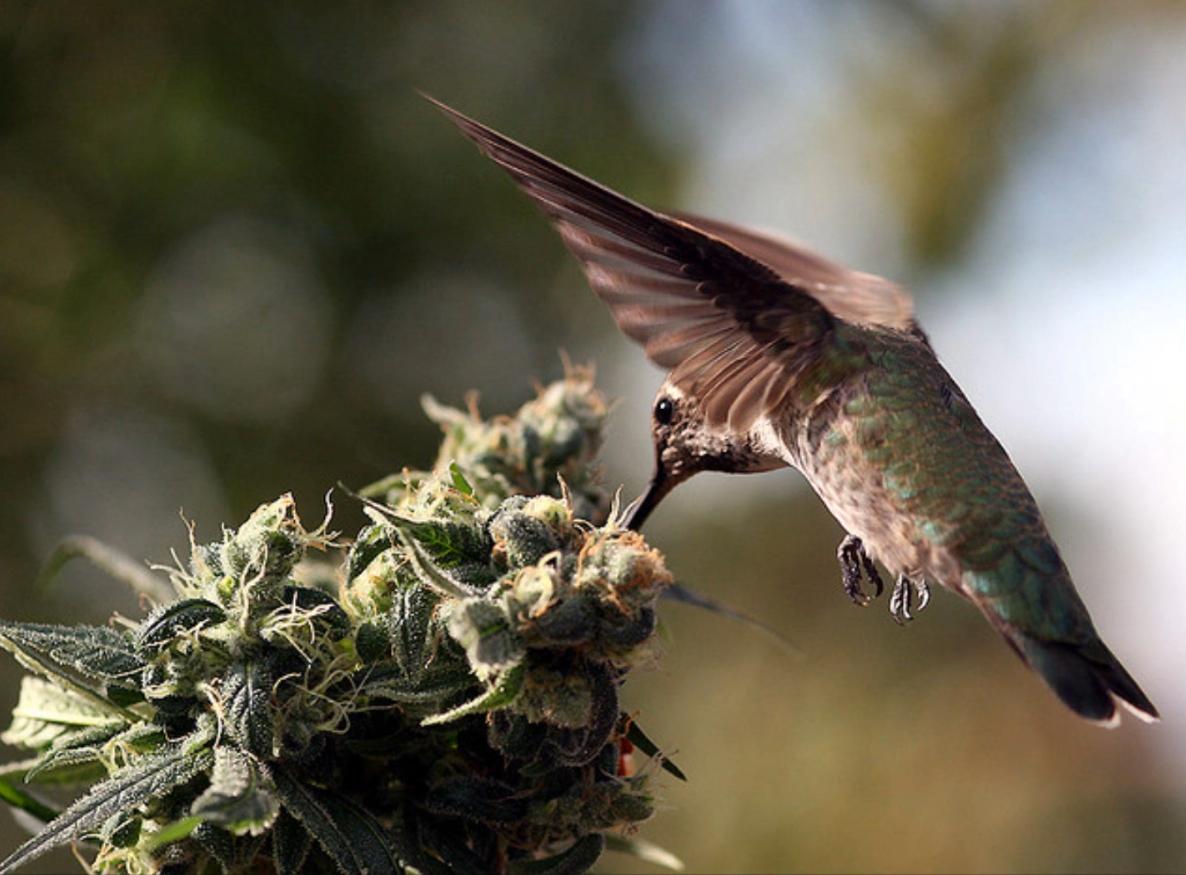
beautiful-plant-and-humming-bird-2.jpg

Wow awsome picture :D

I thought I would share what I have found concerning this picture, which could be seen as a humming bird drinking "nectar", but the flowers are not the right shape to provide an in as it were, even if they contained nectar.

[h=3]Other Hummingbird Food Sources[/h]In addition to nectar, hummingbirds eat a variety of other items to get adequate nutrition, including…

  • Insects: Small insects, larvae, insect eggs and spiders are critical food sources for hummingbirds. Insects provide the fat, protein and salts the birds cannot derive from nectar, and these are crucial nutritional components, especially for rapidly growing hatchlings. Hummingbirds may hunt insects in several ways, includinggleaning them from bark, flowers or leaves, hawking them from the air or plucking them from spider webs or sticky sap. To get the required amount of protein for a healthy diet, an adult hummingbird must eat several dozen insects each day.
  • Sap: When nectar is scarce, hummingbirds will sip tree sap from wells drilled by woodpeckers. While the tree sap is not as sweet as floral nectar, it still provides an adequate source of sucrose for a hummingbird’s energy needs.
  • Pollen: Hummingbirds do not directly consume pollen, but a great deal of pollen can be stuck to their tongues and bills when they sip nectar from flowers. Some of that pollen is ingested, and it can be a minor source of protein. Less than 10 percent of the ingested pollen is actually digested, however, which shows that while viable, this is not a common food source for hummingbirds.
  • Ashes and Sand: Some hummingbirds have been observed eating ashes and sand in small quantities. These foods can be a good source of vital minerals and salts, but not much is needed to fulfill a hummingbird’s dietary needs.
 
Ah okay, I thought that mystery sap must have been some excess brix haha, like some uptaken molasses that went unused and it somehow expunged it. It probably has ultra low canabinoid levels but it surely must have some medicinal value if one could somehow produce and collect enough of it.
 
Ah okay, I thought that mystery sap must have been some excess brix haha, like some uptaken molasses that went unused and it somehow expunged it. It probably has ultra low canabinoid levels but it surely must have some medicinal value if one could somehow produce and collect enough of it.
I can see it now.... at a dispensary near you...
"Angel Tears"- $25/ml...
High in CBNAA... cannabanuthinatall
Recommended for frequent boredom and excess income
:xlaugh:
 
Hey Stoners! What's for dinner?? I've got Pumpkin Soup with Chipotle Cheddar and bacon cooking in the crockpot. I used fresh pumpkin I bought a a farm stand down the road from me.

Got a nice porterhouse steak at the butcher's yesterday, red potatoes from the garden and asparagus.

Tomorrow is pot roast with home grown potatoes, onions, carrots and celery root
 
Status
Not open for further replies.
Back
Top